
PeakCyber Technologies

ASPM: Application Security Posture Management
0*IoD6fJjjdlzUNFxb

ASPM in Modern Application Security: Tools and Why They Matter

Software teams ship code faster than ever, and small application security teams cannot review everything by hand. Automation has become essential. But as automation grew, it created a new problem: too many tools, too many findings and too little clarity. Application Security Posture Management (ASPM) is the answer many teams are turning to.

What is ASPM?

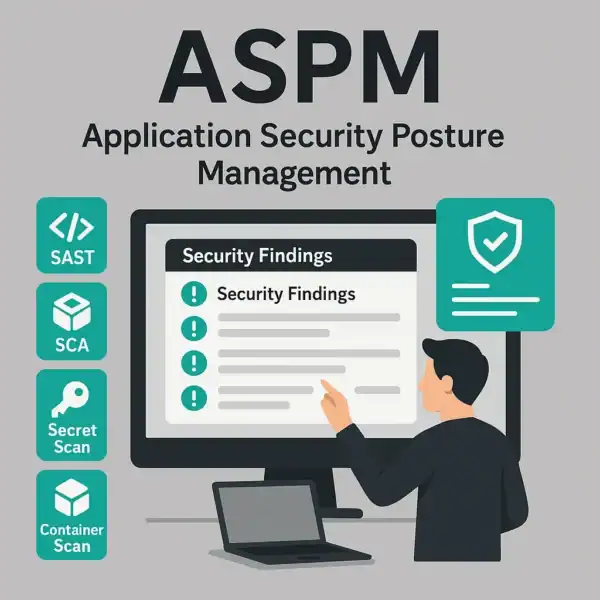
Application Security Posture Management (ASPM) is an approach and a category of tools that collect security findings from your application security scanners into one centralized, manageable vulnerability database. Instead of checking each scanner separately, teams get a single view of application risk.

How AppSec automation evolved

Most organizations began automating application security with static analysis (SAST). Over time they added software composition analysis (SCA), secrets detection and container security scanning, usually as part of a DevSecOps practice. Each tool solved a real problem, and together they gave better coverage.

The challenges of managing many AppSec tools

More tools also brought more work:

  • Managing and maintaining many different tools
  • Findings reported in different formats
  • The same issue reported again and again by different scanners
  • Heavy reliance on security experts to review and triage results

For small teams, this means time goes to sorting findings instead of fixing the issues that matter most.

7 benefits of ASPM tools

1. One place for all findings

ASPM brings results from many scanners together, giving a unified view of application risk.

2. Deduplication

Duplicate findings reported by different tools are merged, so teams see each issue once.

3. Central false positive management

Once a finding is marked as a false positive, it stays that way. Teams do not re-triage the same results.

4. Easier audit and compliance reporting

Detailed, centralized reporting simplifies audits and compliance work.

5. SBOM tracking

By tracking software components, teams can quickly find which projects are affected when a library has a vulnerability.

6. Workflow automation

Routine tasks, such as weekly reports or scanning newly added applications, can be automated.

7. Security gates in CI/CD

Command-line tools let you enforce policies in DevSecOps pipelines, for example blocking a deployment when critical findings stay unresolved for too long.

Why ASPM matters

ASPM does not replace scanners or experts. It removes the repetitive work around them, so security experts can focus on the high-impact issues that need human judgment.

Frequently asked questions

What does ASPM stand for?

ASPM stands for Application Security Posture Management.

How is ASPM different from SAST or SCA?

SAST and SCA are scanning techniques that find issues. ASPM sits on top of them and manages their results: it consolidates, deduplicates and prioritizes findings from many tools.

Do small security teams need ASPM?

Small teams often benefit most, because centralization and automation reduce manual triage and reporting effort.

Does ASPM replace penetration testing?

No. Automated scanning and posture management complement manual testing. See our Penetration Testing services.

Related reading and services

Need help with your AppSec program?

Talk to our team about bringing your application security tools and findings under control.


PeakCyber cybersecurity and offensive security services logo.

Subscribe to our cyber security newsletter

Scroll to top